Many caring, generous people share a quiet fear:
If I stop giving so much, will I still be loved?
So you keep going. You’re overextend. You say yes when you’re tired. You absorb emotions that aren’t yours. You become the steady one, the helper, the strong one. From the outside, it looks admirable – you hear whisperings, “She’s a great mom.” or “What a great friend.” From the inside though, it can feel like slow depletion and the accolades only go so far.
Burnout rarely begins with selfishness. It begins with love that has no boundaries.
And love without boundaries eventually collapses under its own weight.

THE HIDDEN COST OF OVERGIVING
Overgiving doesn’t always feel dramatic. It often looks like small daily compromises: skipping rest, ignoring your body’s signals, pushing through exhaustion, or prioritizing everyone else’s comfort above your own needs.
At first, this can feel noble. You’re dependable. Needed. Valued.
But the nervous system keeps score.
Chronic emotional output without replenishment leads to irritability, numbness, resentment, and fatigue that sleep alone doesn’t fix. You may still love the people in your life deeply — but you begin to feel distant from yourself.
Burnout isn’t a failure of character. It’s a biological signal that your energy system needs protection.

BOUNDARIES ARE SELF-LOVE
Boundaries are often misunderstood as walls – shutting people out. In reality, they are filters. They help you decide what you can give without harming yourself.
A healthy boundary doesn’t say, “I don’t care.”
It says, “I want to care sustainably.”
When your energy is protected, your generosity becomes intentional instead of automatic. Your yes carries weight because it’s chosen, not pressured. Your presence becomes fuller because you’re not running on empty.
This is emotional resilience — the ability to stay open without collapsing.

PROTECTING YOUR ENERGYPeople often view essential oils as something that smells good or — if they’re a little bolder — something with healing properties. I agree with both. But if you believe that everything is energy, including ourselves, then I want to share how a few specific oils can help protect your energy, too.
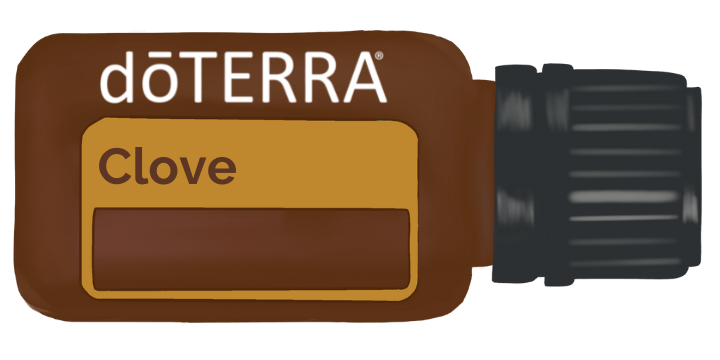
Clove is the oil of boundaries. It’s especially supportive if you find yourself feeling defeated, mentally weak, rejected, intimidated, controlled, or slipping into people-pleasing or victim mode. Clove strengthens your sense of inner authority and reminds you that your needs matter.

doTERRA On Guard® is the oil of protection. Most of us know On Guard as an immunity-boosting blend that protects the physical body. From an energetic perspective, it helps guard against emotional and energetic drain — overpowering personalities, negative thought patterns, and the constant noise of external influences.

Tea Tree (also known as Melaleuca) is the oil of energetic boundaries. When your limits feel stretched thin, this is your go-to. It supports clarity, resilience, and the ability to detach from emotionally taxing situations or people.
You can use Clove, On Guard, and Tea Tree in several simple ways to reinforce strong boundaries and protect your energy:
- Diffuse a few drops or inhale directly from the bottle.
- Apply topically to the bottoms of your feet (diluted with a carrier oil).
- This last one may feel a little woo-woo — but it’s powerful: create an aromatic boundary. Place a drop in your hands, rub them together, and gently “draw” a protective boundary from head to toe.
Let aroma be a reminder that strength and softness are not opposites. You can be compassionate and discerning at the same time.

TRANSITION RITUALS
One of the biggest drains on emotional energy is carrying one environment into the next. Work stress follows you home. Family tension follows you into sleep. Responsibilities pile up without pause.
Transition rituals help the nervous system reset between roles.
This can be as simple as stretching for five minutes after work, washing your hands intentionally (I like using
doTERRA On Guard Foaming Hand Wash), stepping outside for fresh air, or inhaling a grounding oil before walking through your front door. These small acts signal to the body: that chapter is complete; you can release it now.
Remember emotions get stuck in our body, so practices like assisted stretching, myofascial release, lymphatic drainage, and other bodywork modalities help deepen this reset. They give the body permission to drop the tension it’s been holding and remind you that care is something you’re allowed to receive, not just provide.
Without transitions, stress accumulates. With them, energy circulates.

REST WITHOUT GUILT
Many people don’t struggle to rest — they struggle to rest without guilt. Even during downtime, the mind keeps a running list of unfinished tasks. Relaxation feels earned only after exhaustion.
But rest is not a reward. It’s self-care maintenance.
Your nervous system requires cycles of effort and recovery. Ignoring recovery doesn’t make you stronger; it makes you brittle. True resilience is built through rhythm: output balanced with restoration.
When you allow yourself to rest intentionally, you interrupt the burnout cycle before it becomes chronic. You return to your relationships with more patience, clarity, and emotional availability.
Rest is not stepping away from love. It is protecting your ability to keep loving.

LOVING WITHOUT LOSING YOURSELF
The goal is not to give less. The goal is to give from a place of fullness instead of depletion.
When boundaries are clear and energy is supported, love becomes sustainable. You can show up generously without resentment. You can support others without abandoning yourself. You can care deeply without carrying everything.
This is not selfish. It is mature love.
It recognizes that you are part of the circle of care, not outside of it.

A GENTLE INVITATION
This week, notice where your energy leaks. Where do you say yes out of obligation instead of alignment? Where do you ignore fatigue or tension? Choose one small boundary that protects your well-being — even if it feels unfamiliar at first.
Stretch your body at the end of the day. Inhale a grounding oil before difficult conversations. Step away when your system asks for pause. Let yourself receive help. Give yourself permission to recover.
Sustainable love is not louder or grander than burnout-driven love. It’s steadier. Softer. More enduring.
And it begins the moment you decide that your energy matters too.
xoDanette